

Why is My Cat Urinating in the House?
- posted: Nov. 22, 2024
As a cat owner, it can be frustrating and concerning to find your feline friend urinating outside the litter box. Understanding the reasons behind this behavior is important in order to fix the issue. Here are some common causes and solutions for inappropriate urination in cats.
Possible Medical Issues:
Does my cat have a possible urinary tract infection?
Cats with UTIs may associate the litter box with pain, leading them to avoid it. Symptoms include struggling to urinate, blood in the urine, and crying out during urination. A veterinary examination and urine test are necessary to diagnose and treat a UTI.
Bladder Stones or Crystals:
These can cause discomfort and blockages, leading to accidents. Symptoms are similar to UTIs, and treatment can involve dietary changes, medications, or surgery.
Kidney Disease:
Cats with kidney issues drink more water and urinate more frequently, which can lead to accidents. Other signs include weight loss, poor appetite, and lethargy. A vet can diagnose kidney disease through blood and urine tests.
Diabetes:
Increased thirst and urination are common signs of diabetes in cats. If your cat is also losing weight despite a good appetite, see your vet for lab work testing to rule out diabetes.
Why is my cat having behavioral issues?
Stress:
Changes in the household, such as new pet siblings, moving, or schedule changes, can stress your cat and lead to inappropriate urination. Cats are animals of habit, and disruptions can cause anxiety. Providing a stable environment and using pheromone diffusers like Feliway can help reduce stress. These can be found at your local pet store.
Territorial Marking:
Intact cats (cats that have not been neutered), especially males, are likely to mark their territory. Neutering or spaying your cat can reduce this behavior. If your cat is already neutered, they may be “marking” due to stress or if they notice the presence of other cats.
Litter Box Issues:
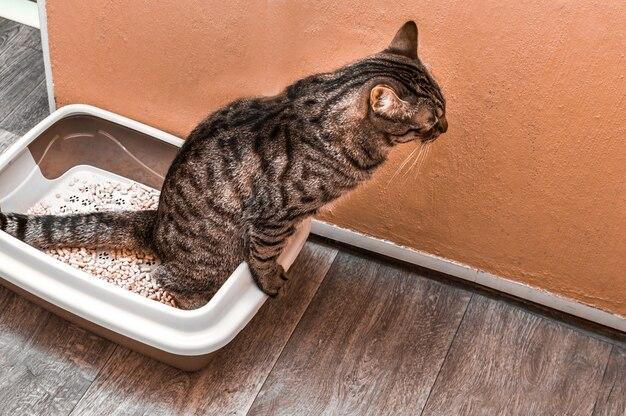
Cats are very special about their litter boxes. Common issues include:
Dirty Litter Box: Clean the litter box daily to make sure it meets your cat’s cleanliness standards.
Location: Place the litter box in a quiet, easily available location. Avoid placing it near noisy areas.
Litter Type: Some cats prefer certain types of litter. If you’ve recently changed brands, try reverting to the old one or experiment with different types.
Number of Litter Boxes: it is recommended to have one more litter box than the number of cats in the household. For example, if you have two cats, provide three litter boxes.
Aging and Moblility Issues
Older cats or those with arthritis may find it difficult to access the litter box. Providing a box with low sides and making sure it’s easily available to them can help.
Habitual Behavior
Once a cat starts urinating outside the litter box, the scent can help repeat the behavior. Thoroughly clean any dirty areas with a cleaner created to eliminate pet odors.
How Can I Prevent My Cat from Urinating in the House?
Vet Exam: Always rule out any medical issues first. Have a consult with your veterinarian.
Stress Reduction: Maintain a quiet environment.
Litter Box: Keep the litter box clean and in a good location. Make sure you have enough boxes for the number of cats.
Understanding why your cat is urinating in the house is the first step towards addressing the issue. If you’re ever in doubt, don’t hesitate to consult with your friends at Bixby Animal Hospital & Urgent Care for advice 310-375-4244.
- posted: Nov. 22, 2024
As a cat owner, it can be frustrating and concerning to find your feline friend urinating outside the litter box. Understanding the reasons behind this behavior is important in order to fix the issue. Here are some common causes and solutions for inappropriate urination in cats.
Possible Medical Issues:
Does my cat have a possible urinary tract infection?
Cats with UTIs may associate the litter box with pain, leading them to avoid it. Symptoms include struggling to urinate, blood in the urine, and crying out during urination. A veterinary examination and urine test are necessary to diagnose and treat a UTI.
Bladder Stones or Crystals:
These can cause discomfort and blockages, leading to accidents. Symptoms are similar to UTIs, and treatment can involve dietary changes, medications, or surgery.
Kidney Disease:
Cats with kidney issues drink more water and urinate more frequently, which can lead to accidents. Other signs include weight loss, poor appetite, and lethargy. A vet can diagnose kidney disease through blood and urine tests.
Diabetes:
Increased thirst and urination are common signs of diabetes in cats. If your cat is also losing weight despite a good appetite, see your vet for lab work testing to rule out diabetes.
Why is my cat having behavioral issues?
Stress:
Changes in the household, such as new pet siblings, moving, or schedule changes, can stress your cat and lead to inappropriate urination. Cats are animals of habit, and disruptions can cause anxiety. Providing a stable environment and using pheromone diffusers like Feliway can help reduce stress. These can be found at your local pet store.
Territorial Marking:
Intact cats (cats that have not been neutered), especially males, are likely to mark their territory. Neutering or spaying your cat can reduce this behavior. If your cat is already neutered, they may be “marking” due to stress or if they notice the presence of other cats.
Litter Box Issues:
Cats are very special about their litter boxes. Common issues include:
Dirty Litter Box: Clean the litter box daily to make sure it meets your cat’s cleanliness standards.
Location: Place the litter box in a quiet, easily available location. Avoid placing it near noisy areas.
Litter Type: Some cats prefer certain types of litter. If you’ve recently changed brands, try reverting to the old one or experiment with different types.
Number of Litter Boxes: it is recommended to have one more litter box than the number of cats in the household. For example, if you have two cats, provide three litter boxes.
Aging and Moblility Issues
Older cats or those with arthritis may find it difficult to access the litter box. Providing a box with low sides and making sure it’s easily available to them can help.
Habitual Behavior
Once a cat starts urinating outside the litter box, the scent can help repeat the behavior. Thoroughly clean any dirty areas with a cleaner created to eliminate pet odors.
How Can I Prevent My Cat from Urinating in the House?
Vet Exam: Always rule out any medical issues first. Have a consult with your veterinarian.
Stress Reduction: Maintain a quiet environment.
Litter Box: Keep the litter box clean and in a good location. Make sure you have enough boxes for the number of cats.
Understanding why your cat is urinating in the house is the first step towards addressing the issue. If you’re ever in doubt, don’t hesitate to consult with your friends at Bixby Animal Hospital & Urgent Care for advice 310-375-4244.